Ripped Blue Denim Jeans Digital Papers
In the world of digital design, texture is often the unsung hero. It provides depth, context, and a tactile quality that flat colors simply cannot achieve. When you are looking to inject a sense of rugged authenticity or casual cool into your projects, few textures resonate as universally as blue denim. The Ripped Blue Denim Jeans Digital Papers collection offers exactly this: a high-resolution suite of seamless patterns that capture the worn, lived-in aesthetic of classic jeans without the hassle of scanning physical fabric yourself.
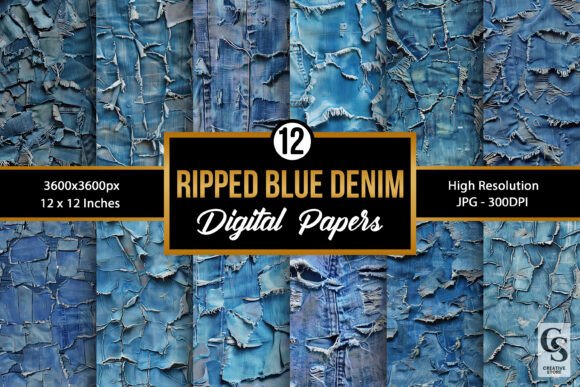
This collection isn't just about blue backgrounds; it’s about capturing the narrative of durability and style. Each pattern in the set features realistic distress marks, frayed edges, and subtle variations in wash that mimic the natural aging process of cotton twill. For designers, crafters, and brand strategists, these assets provide an immediate shortcut to establishing a specific mood—whether that’s vintage Americana, modern streetwear, or rustic elegance. By integrating these digital papers into your workflow, you add a layer of visual interest that feels organic rather than manufactured.
Visual Characteristics and Design Appeal
The core strength of this design asset lies in its attention to detail. High-resolution 300dpi files ensure that every thread, stitch, and rip is rendered with clarity, even when scaled up for large-format prints like wall art or packaging. The dimensions of 3600 x 3600 pixels (12″ x 12″) make them perfectly square, which is ideal for a wide range of standard craft and print applications.
Visually, the collection leans heavily into the modern typography of texture itself. The "ripped" aspect suggests movement and history. It implies that the material has been worn, washed, and loved. This personality translates well into branding that wants to appear approachable, authentic, and unpretentious. Unlike pristine, sterile white backgrounds, denim textures carry warmth. They ground other elements placed on top of them, providing a sturdy foundation for text, logos, or illustrations.
The variety within the twelve included patterns allows for nuanced storytelling. Some may feature deeper indigo hues suitable for evening wear aesthetics or bold graphic overlays, while others might showcase lighter, faded washes that work beautifully as subtle backdrops for wedding invitations or delicate stationery. This versatility means you aren't locked into a single vibe; instead, you have a palette of textures to choose from based on the emotional tone you wish to convey.
Practical Applications Across Industries
One of the most significant advantages of having a dedicated pack of seamless patterns is the ease of application across diverse media. Because the files are JPGs and high-resolution, they integrate seamlessly into almost any design software, from Adobe Illustrator and Photoshop to Canva and Cricut Design Space. Here is how different professionals can leverage these assets:
- Crafters and Hobbyists: If you use a cutting machine like a Silhouette or Cricut, these digital papers are ready to go. You can create custom tumbler wraps, notebook covers, or scrapbook pages that look professionally designed. The seamless nature of the patterns ensures that when you wrap a curved surface like a travel mug, the design aligns perfectly without awkward gaps.
- Publishers and Stationery Designers: For greeting cards, planners, and journals, texture adds perceived value. A planner cover featuring a subtle denim weave feels more durable and trustworthy to the user. Similarly, invitation suites can use lighter denim tones to suggest a casual, outdoor, or barn-style wedding theme, saving time on sourcing unique paper stocks.
- Branding and Marketing: Small business owners selling handmade goods, vintage clothing, or artisanal foods can use these backgrounds to create cohesive social media graphics. A post promoting a leather accessory or a pair of boots gains credibility when set against a complementary denim background. It creates an immediate visual association with quality craftsmanship.
- Web and Digital Design: While heavy textures can slow down page loads, using them sparingly as headers, sidebars, or promotional banners can break up the monotony of white space. They offer a creative alternative to solid color blocks, adding character to a website’s brand identity without compromising usability.
Evaluating Fit and Pairing Strategies
Choosing the right texture is only half the battle; knowing how to pair it with other design elements is what separates a amateur project from a polished final product. When working with Ripped Blue Denim Jeans Digital Papers, contrast is your best friend. Because denim is visually busy with its threads and rips, pairing it with clean, simple typography ensures readability.
A sans serif font with a bold weight works exceptionally well over darker denim washes, creating a strong visual hierarchy. Conversely, a handwritten or script font can pop beautifully against lighter, faded denim, mimicking the feel of a personal note stitched onto a garment. Avoid pairing denim textures with overly ornate or decorative fonts unless you are aiming for a very specific, maximalist aesthetic. In most cases, simplicity wins.
Consider the concept of font pairing not just with typefaces, but with other graphical elements. If you are designing a logo or icon, place it on a solid color block first, then overlay that entire composition onto the denim texture. This technique preserves the legibility of your logo while still benefiting from the atmospheric background. It also helps maintain consistency if you plan to use the same texture across multiple touchpoints, such as business cards and email signatures.
Technical Considerations and Commercial Use
From a technical standpoint, the inclusion of 300dpi resolution is crucial for anyone planning to move from digital mockups to physical production. Lower resolution images often pixelate when printed, ruining the illusion of fabric. With these files, you can zoom in to inspect the frayed threads and see crisp edges, giving you confidence that your print output will match your screen preview.
For entrepreneurs and content creators, understanding licensing is key. Ensure that the commercial font or asset license permits the intended use. Most digital paper packs allow for end-product sales (like selling shirts with the design printed on them), but restrictions may apply to redistributing the raw digital files themselves. Always review the terms provided with the zip file to protect your business.
Finally, remember that good design is iterative. Don’t be afraid to test different combinations. Try placing a vibrant yellow or orange accent color over the blue denim; the complementary colors will make both elements stand out. Experiment with opacity layers, blending modes, and overlays to customize the look further. The goal is to make the texture serve the message, not overpower it. By treating Ripped Blue Denim Jeans Digital Papers as a versatile tool in your toolkit rather than just a background image, you unlock a wide range of possibilities for creating engaging, professional-grade designs that connect with audiences on a visceral level.