Mediterranean Ornament Pattern Print 11
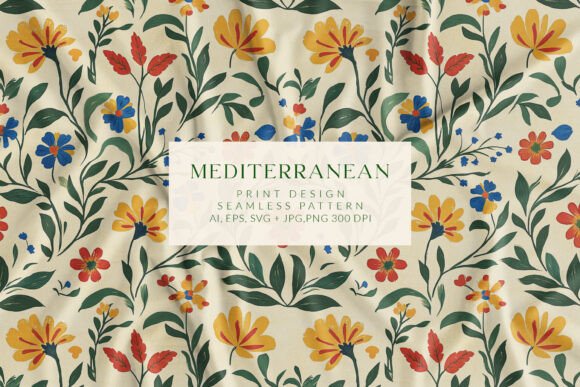
When you are looking to infuse a space or a design project with the timeless elegance of Mediterranean culture, finding the right visual element is crucial. Mediterranean Ornament Pattern Print 11 stands out as a sophisticated choice for those seeking the classic charm of antique vintage traditional Arabesque designs. This specific pattern is not merely a decorative image; it is a seamless vector design that captures the intricate interplay of geometric shapes, flowing floral details, and ornate elements characteristic of Moorish, North African, and broader Mediterranean artistic traditions.
However, selecting the correct asset for your project involves more than just admiring its aesthetic appeal. Many creators, whether they are professional interior designers, textile manufacturers, or hobbyist bloggers, often overlook critical technical and contextual details when integrating such complex patterns. Understanding the nuances of this specific print can mean the difference between a polished, professional result and a design that feels cluttered or technically flawed.
Understanding the Design Philosophy
The core appeal of Mediterranean Ornament Pattern Print 11 lies in its heritage. It draws inspiration from centuries-old motifs where symmetry and repetition were used to create a sense of infinite beauty and spiritual harmony. The design features hand-drawn elements that reflect a blend of styles, making it versatile enough for various applications. Whether you are aiming for a luxurious wallpaper effect or a subtle texture on fabric, the underlying structure of the pattern provides a rich visual depth.
For beginners, the term "seamless" might seem like a minor technical detail, but it is actually the most important feature for usability. A true seamless pattern repeats flawlessly, allowing you to tile it across large surfaces without visible breaks or awkward joints. This is particularly vital for wallpaper and textile design, where continuity is key to maintaining the illusion of a cohesive whole.
Common Mistakes in Application
Even with high-quality assets, errors in execution can detract from the final outcome. One of the most frequent mistakes is ignoring the scale of the pattern relative to the application. Because Mediterranean Ornament Pattern Print 11 contains intricate details, using it at a very small scale on a busy background can result in a muddy, indistinguishable mess. Conversely, scaling it up too much without adjusting the surrounding negative space can overwhelm a room or a digital layout.
Another common pitfall is the misuse of file formats. While the design is available in various formats, including AI, EPS, SVG, JPG, and PNG, choosing the wrong one for the task can lead to significant quality loss. For instance, using a rasterized JPG version for a large-scale print job will result in pixelation and jagged edges, especially around the delicate curves of the Arabesque motifs. Similarly, relying on a low-resolution preview image for a commercial product launch can damage your brand’s credibility.
Furthermore, many users fail to consider color adaptability. The original design may come in a specific palette, but applying it directly to a contrasting background without testing can create visual vibration or reduce legibility. It is essential to understand how the colors interact with your primary medium before committing to a full production run.
Technical Considerations for Seamless Tiling
To ensure the pattern works effectively, you must verify the repeat size and alignment. High-quality vector files allow for easy customization, but if you are working with raster images, you need to check the transparency of the background. The description notes that the PNG versions come with transparent backgrounds, which is excellent for layering over different textures. However, if you are using the JPG version, you must manually remove the white background, a process that can be tedious and error-prone if not done carefully.
Additionally, the resolution matters immensely. The 300 DPI specification mentioned in the highlights is standard for print, but it assumes a certain physical size. If you plan to print the pattern on a massive wall mural, you need to ensure that the source file has sufficient dimensions to maintain that sharpness at a distance. Downscaling a high-res image is fine, but upscaling a low-res one will always degrade quality.
Strategic Usage Across Industries
The versatility of Mediterranean Ornament Pattern Print 11 makes it suitable for a wide array of industries, but each requires a slightly different approach.
- Textile Design: When creating fabrics for clothing or home decor, consider the drape and flow of the material. The pattern should align with the grain of the fabric to avoid distortion. Use the vector format (AI or EPS) to adjust the scale and orientation easily during the prototyping phase.
- Wallpaper and Interior Decor: Here, the seamless nature of the pattern is paramount. Ensure that the tiles match perfectly. Test the pattern in a mockup of the actual room lighting, as warm Mediterranean tones can shift significantly under artificial light versus natural sunlight.
- Digital Art and Web Design: For websites or digital presentations, optimize the file size without sacrificing clarity. SVG is often the best choice here because it scales infinitely and loads quickly. Avoid using heavy PNGs for simple decorative borders, as this can slow down page load times.
- Stationery and Scrapbooking: In these smaller formats, the intricacy of the design shines. Use the pattern as a border or a background element, ensuring there is enough contrast with the text or main focal point. Overusing the pattern here can make the item look dated rather than classic.
Evaluating Your Choice Before Purchase or Download
Before integrating Mediterranean Ornament Pattern Print 11 into your workflow, take a moment to evaluate your specific needs. Ask yourself what the end goal is. Are you creating a temporary digital backdrop or a permanent physical product? This distinction will dictate which file format you prioritize.
Check the licensing terms carefully. Even if the design looks free or affordable, ensure you have the right to use it for your intended purpose, especially if you are selling products featuring the pattern. Commercial rights vary widely among stock assets.
Finally, test the pattern in context. Create a small sample of your intended application—be it a printed swatch, a website header, or a social media post. This step allows you to spot issues with contrast, scale, or repetition before you commit resources to the full project. By paying attention to these details, you can harness the classic charm of this Arabesque design effectively, avoiding common pitfalls and achieving a result that truly reflects the elegance of Mediterranean artistry.