Integrating Pastel Gingham Repeat Plaids Pattern into Creative Workflows
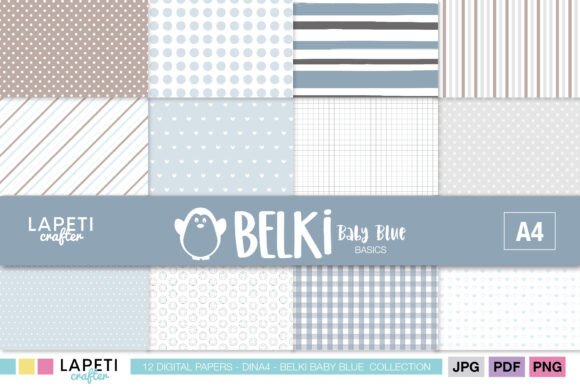
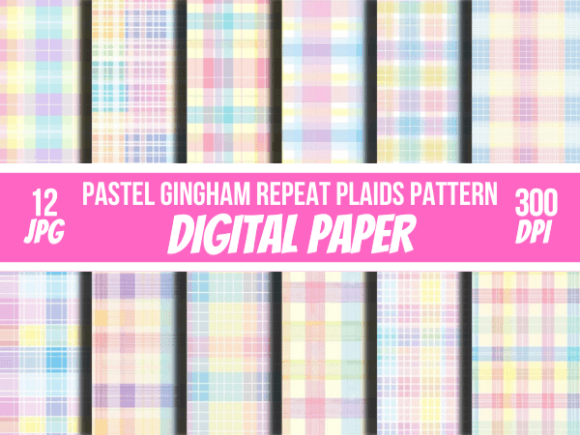
In the landscape of digital design and physical crafting, the transition from a conceptual idea to a finished product often hinges on the quality of the foundational assets. The Pastel Gingham Repeat Plaids Pattern serves as more than just a decorative element; it is a strategic resource that bridges the gap between rustic aesthetics and modern digital precision. This specific collection, featuring soft plaids grids and winter repeat stripes, offers a seamless texture designed for high-resolution applications. Understanding how to leverage this asset effectively requires a shift in perspective: viewing digital papers not merely as images, but as functional components within a broader production pipeline.
The core value of the Pastel Gingham Repeat Plaids Pattern lies in its versatility across diverse professional and hobbyist sectors. Whether you are a small business owner preparing holiday inventory, an educator designing engaging classroom materials, or a freelancer managing client deliverables, the ability to seamlessly integrate high-quality textures can streamline operations. The bundle includes 12 distinct digital papers, all contained within a single zip file, ensuring that your workflow remains organized and efficient. With a resolution of 4096 x 4096 pixels at 300 DPI, these files meet the rigorous standards required for both screen-based media and large-format printing.
Pre-Production Planning and Asset Management
Before any creative execution begins, the preparation phase is critical. For professionals dealing with multiple projects simultaneously, the organization of digital assets directly impacts productivity. The inclusion of 12 unique variations in this set allows for immediate variety without the need to search external libraries, which often leads to inconsistent color palettes or mismatched resolutions. When integrating the Pastel Gingham Repeat Plaids Pattern into your project management system, consider categorizing these files by their specific visual weight—some patterns may feature softer grids suitable for backgrounds, while others might offer bolder checks ideal for focal points.
Compatibility is another factor that must be addressed during the planning stage. Since these are JPG format files, they offer universal compatibility across most design software, from Adobe Creative Cloud suites to user-friendly mobile apps used by crafters. However, understanding the limitations of raster images is essential. While the 300 DPI resolution ensures sharpness for print, scaling these images beyond their native dimensions will result in pixelation. Therefore, effective workflow implementation involves setting up your document templates to match the 4096-pixel width before importing the pattern. This proactive step prevents the common issue of having to re-render or re-download assets later in the process.
Implementation Across Digital and Physical Channels
The true utility of the Pastel Gingham Repeat Plaids Pattern emerges when applying it to various stages of production. In the realm of digital marketing and content creation, these textures serve as powerful backdrops for social media graphics, email headers, and blog post illustrations. The soft color palette aligns well with seasonal campaigns, particularly those focused on winter holidays, spring blooms, or vintage-themed promotions. By using the seamless nature of the pattern, designers can create infinite scrolling backgrounds or tiled headers that maintain visual consistency without visible seams.
For entrepreneurs and makers involved in physical product manufacturing, the application becomes even more tangible. The high-resolution capability of these files makes them ideal for sublimation printing, a process where heat transfers ink onto substrates like acrylic tumblers, mugs, and fabric. When wrapping an 11oz mug or creating custom tote bags, the crispness of the gingham grid ensures that the final product retains its detail. Similarly, for those utilizing cut machines such as Cricut or Silhouette, these digital papers can be printed and used as stencils or direct-to-vinyl transfer sheets. The distinction between a digital background and a printable texture is blurred here, allowing for a unified approach to branding across different mediums.
Scrapbooking and stationery design represent another key area of integration. Professionals who specialize in wedding invitations or personalized planners often struggle to find textures that evoke a sense of nostalgia without appearing dated. The rustic yet refined aesthetic of the pastel plaid fills this niche perfectly. By layering the pattern behind text or using it as a border element, creators can add depth to their designs. The fact that the colors may vary slightly due to monitor settings is a standard consideration in the industry, but the high-fidelity source files allow users to calibrate their output accurately through soft-proofing techniques in their printing software.
Optimizing Workflow Efficiency and Quality Control
Efficiency in creative workflows is often dictated by the reliability of the tools at hand. Using a pre-packaged bundle like this one reduces the time spent sourcing individual elements, allowing creators to focus on the actual design and execution phases. However, maintaining quality control throughout the process is paramount. When preparing files for commercial printing, it is advisable to convert the RGB color space of the JPG files to CMYK if the printer requires it, although many modern printers handle this conversion automatically. Being aware of this technical nuance ensures that the final printed product matches the intended pastel tones.
The versatility of the Pastel Gingham Repeat Plaids Pattern also extends to educational and instructional contexts. Educators and bloggers can utilize these textures to create visually appealing worksheets, presentation slides, or downloadable resources for their audiences. The seamless nature of the pattern means that teachers can easily extend backgrounds to fit full-page layouts without worrying about awkward edges. Furthermore, for DIY enthusiasts, these digital papers act as a cost-effective alternative to purchasing physical paper packs, offering endless possibilities for experimentation with iron-on transfers, engraving, and foliage crafting.
When considering long-term use, the durability of the digital asset is a significant advantage. Unlike physical materials that degrade over time, these high-resolution files remain constant. They can be reused for future projects, archived for reference, or updated with new layers as trends evolve. This permanence supports a sustainable approach to creativity, reducing waste and encouraging thoughtful reuse of assets. Whether you are creating romantic wrapping paper for a boutique or designing intricate stickers for a small shop, the consistent quality of the 4096 x 4096 pixel files ensures that your brand image remains professional and polished.
Strategic Integration for Diverse Outcomes
The decision to incorporate the Pastel Gingham Repeat Plaids Pattern into your toolkit should be driven by the specific needs of your current projects. If you are launching a line of handmade goods, these textures can provide a cohesive visual identity that resonates with customers seeking a warm, rustic aesthetic. For marketers, they offer a way to refresh campaign visuals quickly without the overhead of hiring a graphic designer for every new asset. The key is to view the pattern not as a static image, but as a dynamic component that adapts to the requirements of the medium.
In conclusion, the successful integration of digital textures relies on a clear understanding of their capabilities and limitations. By treating the Pastel Gingham Repeat Plaids Pattern as a fundamental building block rather than a mere decoration, creators can enhance the quality and efficiency of their work. From the initial planning stages involving file organization to the final execution on physical products, this asset supports a wide array of outcomes. Whether used for elegant clothes printing, detailed digital textures, or traditional paper art, the combination of high resolution and versatile design ensures that these digital papers remain a valuable resource for professionals and hobbyists alike. Embracing this level of detail in your workflow ultimately leads to more polished results and greater satisfaction in the creative process.