Geometric Laser Cut Pattern Designs: A Comprehensive Guide to Versatile Digital Assets
In the modern creative landscape, the intersection of digital precision and physical craftsmanship has given rise to a powerful tool for designers, entrepreneurs, and hobbyists alike. Geometric laser cut pattern designs represent more than just aesthetic shapes; they are foundational elements that bridge the gap between virtual artboards and tangible reality. Whether you are looking to enhance your home decor, streamline your manufacturing process, or add a unique touch to personal projects, understanding the potential of these intricate patterns is essential for success.
This guide explores the comprehensive value of high-resolution geometric assets, detailing their technical specifications, diverse applications, and the strategic advantages they offer to businesses and creators. By leveraging professional-grade files, users can elevate their output from standard crafts to premium, market-ready products.
The Essence of Geometric Precision in Design
At its core, a geometric laser cut pattern design relies on symmetry, repetition, and mathematical precision. Unlike organic or freehand sketches, geometric patterns are built on structured grids and angles, creating a sense of order and elegance that resonates with contemporary aesthetics. The beauty of these designs lies in their scalability and adaptability. Because they are vector-based or high-resolution raster images, they can be resized without losing integrity, making them ideal for everything from tiny jewelry charms to massive architectural facades.
For business owners, this versatility translates directly into efficiency. One well-crafted pattern can be adapted across multiple product lines, reducing the need for constant new design development while maintaining a cohesive brand identity. The clean lines and sharp contrasts inherent in geometric motifs also ensure that laser cutting machines can execute them with minimal error, resulting in higher quality end-products and fewer material wastages.
Technical Specifications and File Integrity
When sourcing digital assets for commercial use, file quality is paramount. Low-resolution images often lead to jagged edges and loss of detail when scaled up, which is particularly detrimental in laser cutting where precision is key. High-quality packages typically include a variety of formats to suit different software workflows and production needs.
A robust collection of geometric laser cut pattern designs should provide:
- High-Resolution PNG Files: With an artboard size of 4500×5400 pixels, these files offer exceptional clarity for direct printing or as reference layers in design software. The transparency of PNGs allows designers to overlay patterns onto various backgrounds seamlessly.
- Vector EPS Files: Essential for professional laser cutters and CNC machines, EPS files contain vector data that ensures infinite scalability. This format allows for precise control over line weights and cut paths, ensuring that every angle is mathematically perfect.
- JPG Bundles: For quick previews or simpler editing tasks, high-quality JPG files provide immediate visual feedback without the complexity of layer management.
- Bundled Collections: Access to bundle files streamlines the workflow by providing organized folders, saving valuable time during the pre-production phase.
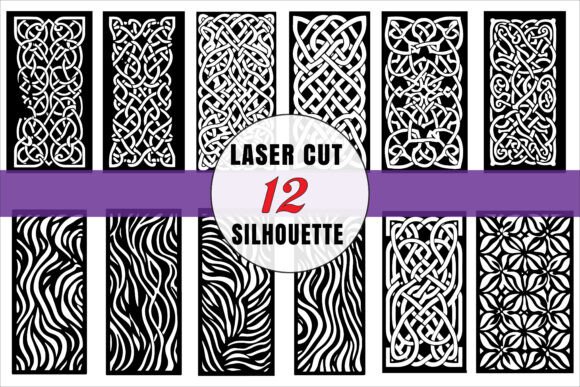
By securing a package that includes 12 distinct designs in multiple formats, creators gain a versatile toolkit. This variety ensures compatibility with a wide range of software, from Adobe Illustrator and CorelDRAW to Cricut Design Space and LightBurn.
Diverse Applications Across Industries
The true power of geometric laser cut pattern designs is realized in their application. These patterns are not limited to a single niche; they are cross-industry tools that enhance functionality and beauty simultaneously. Below are ten key areas where these designs create significant impact.
1. Home Décor and Interior Design
Interior spaces benefit immensely from the play of light and shadow created by geometric cuts. Wall panels and room dividers can use these patterns to define spaces without blocking light flow. Lampshades become dynamic canvases, casting intricate shadows that transform a room’s ambiance at night. Furthermore, furniture accents such as headboards or cabinet doors can be customized with these patterns to add a bespoke, luxury feel to mass-produced items.
2. Fashion and Accessories
In the fashion industry, geometric patterns are used to create lightweight yet durable embellishments. Jewelry makers utilize these designs for pendants, earrings, and brooches, often cutting materials like acrylic, wood, or thin metal sheets. Clothing embellishments, such as overlays for dresses or accessories like belts and bags, gain a modern edge through the use of precise laser-cut geometries.
3. Event and Wedding Décor
Events demand visual impact. Geometric laser cut pattern designs are perfect for creating stunning wedding backdrops, table centerpieces, and party decorations. The repetitive nature of these patterns allows for cost-effective large-scale installations. Imagine a reception hall adorned with geometric screens that filter stage lighting, creating a mesmerizing atmosphere for guests.
4. Architectural Elements
Architecture is increasingly embracing parametric and geometric aesthetics. Facades, window screens, and ventilation panels can incorporate these designs to improve airflow and privacy while maintaining visual appeal. Stair railings and customized flooring tiles also benefit from the structural integrity and decorative flair that geometric patterns provide.
5. Packaging and Signage
In retail, packaging is the first point of contact. Unique cutout patterns on product boxes or wrapping paper can turn a simple item into a gift-worthy experience. Similarly, decorative signage for businesses and homes uses these patterns to convey brand personality. A geometric logo integrated into a storefront sign can look sophisticated and inviting.
6. Crafting and Personalized Gifts
For scrapbookers and card-makers, these patterns add texture and depth to paper crafts. They are also ideal for personalized keepsakes, such as engraved wooden frames or custom gift boxes. The ability to customize these patterns allows individuals to create meaningful, one-of-a-kind gifts that stand out.
7. Lighting Fixtures
Beyond lampshades, geometric patterns are used in lanterns and light fixtures. When illuminated, the interplay of light passing through the cutouts creates a dramatic effect. This application is particularly popular in outdoor lighting, where durability and aesthetic appeal are both required.
Evaluating Suitability for Your Projects
While geometric laser cut pattern designs are highly versatile, it is important to consider specific project requirements before implementation. Material choice plays a crucial role; softer materials like basswood or acrylic may yield cleaner cuts for intricate details compared to harder woods or metals. Additionally, the scale of the design must match the capabilities of your laser cutter. Fine details might get lost if the pattern is too small relative to the kerf (the width of the cut) of the machine.
Business owners should also consider the target market. Geometric patterns often appeal to modern, minimalist, or industrial design sensibilities. Understanding your audience’s preferences will help in selecting the right patterns from a collection. For instance, a tech company might prefer sharp, angular geometries, while a wellness brand might opt for softer, circular geometric variations.
Strategic Advantages for Business Growth
Integrating geometric laser cut pattern designs into your product line offers several strategic benefits. First, it reduces design costs. Instead of hiring a designer for each new product variation, you can adapt existing high-quality patterns. Second, it speeds up time-to-market. With ready-to-use files, you can move from concept to production rapidly. Third, it enhances perceived value. Products featuring intricate, professionally executed geometric patterns are often viewed as higher quality, allowing for better pricing strategies.
Moreover, the digital nature of these assets means they can be sold as digital downloads themselves. Creators can monetize their design skills by offering packs of geometric laser cut pattern designs to other crafters and small businesses, creating a passive income stream. This dual approach—using the designs internally and selling them externally—maximizes the return on investment for the initial purchase.
Conclusion
The world of geometric laser cut pattern designs offers a blend of artistic expression and technical precision that is invaluable for modern creators. From enhancing home décor to revolutionizing fashion and architecture, these patterns provide endless possibilities for innovation. By choosing high-quality, multi-format assets, businesses and individuals can ensure their projects meet the highest standards of craftsmanship.
Whether you are a seasoned professional looking to expand your catalog or a hobbyist seeking to elevate your DIY projects, investing in a comprehensive set of geometric designs is a smart move. The combination of versatility, ease of use, and aesthetic appeal makes these patterns a cornerstone of contemporary design practice. Explore the available options, experiment with different materials, and discover how these intricate designs can transform your creative vision into reality.