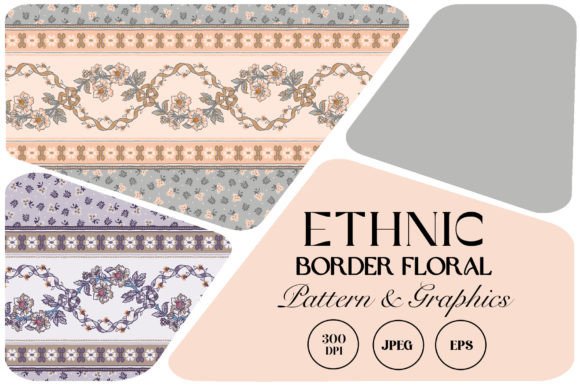
Ethnic Border Floral Pattern
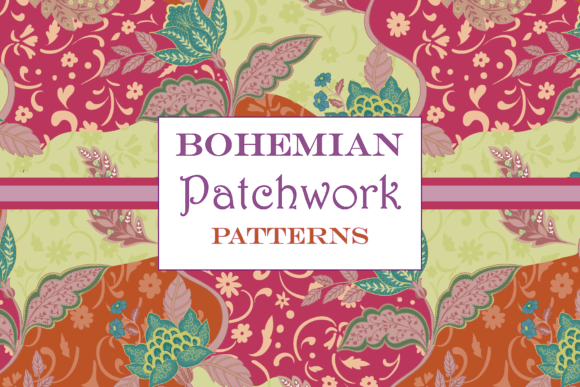
In the realm of visual design, few elements command attention quite like a meticulously crafted Ethnic Border Floral Pattern. It bridges the gap between traditional craftsmanship and contemporary aesthetics, offering designers a versatile tool to elevate their projects. Whether you are developing a brand identity for a boutique lifestyle label or creating packaging for artisanal goods, the right pattern can instantly communicate heritage, elegance, and cultural richness. This specific style, characterized by its intricate patchwork motifs and exquisite selection of floral elements, provides a unique texture that stands out in both digital and physical mediums.
The Art of Ethnic Border Flowers Patchwork
An Ethnic border flowers patchwork pattern with exquisitely selected motif elements is more than just a decorative background; it is a narrative device. The patchwork technique suggests assembly, history, and care—values that resonate deeply with consumers looking for authenticity. When applied correctly, these patterns add depth and sophistication to any design workflow. They allow for a harmonious blend of color and form that guides the viewer’s eye without overwhelming the primary content.
The beauty of this aesthetic lies in its adaptability. Unlike rigid geometric shapes, organic floral motifs within an ethnic framework soften the overall composition. This makes them particularly effective in industries where warmth and approachability are key, such as home interiors, fashion apparel, and artisanal food packaging. By integrating these motifs, designers can create a cohesive visual language that feels both modern and timeless.
Practical Applications in Modern Design
Understanding how to leverage these assets is crucial for maximizing their impact. Here are several key areas where an Ethnic Border Floral Pattern can significantly enhance your creative output:
- Packaging Design: For brands selling tea, spices, cosmetics, or handmade crafts, this pattern adds a premium feel. The high-resolution details ensure that even small labels retain clarity and visual appeal, reinforcing brand identity on the shelf.
- Fashion Apparel Prints: Textile designers benefit immensely from seamless patterns. The repeatable nature of the patchwork allows for efficient production while maintaining a luxurious look on fabrics ranging from silk to cotton.
- Home Interiors: In upholstery, wallpaper, and cushion covers, these patterns bring a sense of curated elegance. They work well in bohemian, eclectic, or globally-inspired interior schemes.
- Digital Marketing & Social Media: Use individual motifs as accents in social media graphics or website headers. They break up text-heavy layouts and add a touch of artistic flair to editorial design.
- Editorial & Stationery: Invitations, business cards, and magazine layouts gain a tactile quality when printed with these patterns, suggesting exclusivity and attention to detail.
Evaluating Quality: Resolution and Tonal Saturation
Not all digital assets are created equal. When sourcing creative assets for professional use, technical specifications are just as important as aesthetic appeal. High-quality design resources must be delivered in formats that support scalability and precision. For instance, having access to 2 EPS files ensures that you can manipulate vector paths without losing quality, which is essential for large-format prints or detailed logo design integrations.
Furthermore, the resolution of raster images plays a critical role in print design. Assets provided at 300dpi (dots per inch) guarantee sharp, crisp outputs suitable for professional printing presses. This is particularly important for Ethnic Border Floral Pattern designs, where fine lines and delicate petal details must remain distinct. Low-resolution copies often result in pixelation or blurry edges, which can undermine the perceived value of a brand.
Tonal saturation is another vital factor. A well-selected color palette with good tonal balance ensures that the pattern remains vibrant across different substrates. Whether printed on glossy paper, matte fabric, or recycled cardboard, the colors should retain their integrity. Clean, isolated elements also make it easier for designers to adjust hues to match existing brand systems, ensuring consistency across all marketing materials.
Integrating Patterns into Your Brand Identity
To effectively use an Ethnic Border Floral Pattern, consider the context of your audience. These patterns evoke emotions tied to nature, tradition, and artistry. Aligning these feelings with your brand’s core values creates a stronger emotional connection with customers. For example, a skincare brand might use soft, pastel-toned floral borders to suggest natural ingredients and gentle care.
When incorporating these designs into web or UI/UX design, remember to maintain visual hierarchy. Use the pattern as a background element with sufficient contrast against foreground text, or apply it sparingly as a decorative border to frame key information. Overusing complex patterns can lead to visual clutter, so balance is key. Pairing these ornate backgrounds with clean, modern typography creates a striking contrast that enhances readability while retaining aesthetic charm.
By choosing high-quality, thoughtfully designed assets, you invest in the long-term success of your visual communication. Each week, new opportunities arise to refresh your brand’s look through updated illustrations and seamless patterns. Exploring a wide range of creative resources allows you to stay ahead of design trends while honoring classic techniques. Thank you for visiting my shop, and I invite you to follow along for more beautiful Seamless Patterns, Prints, and Illustrations. Regular check-ins will keep your design inspiration fresh and your projects visually compelling.